Titleist Pro V1 Golf Ball Review
The Pro V1 has been the reference point the entire premium golf ball category gets measured against since its 2000 debut, and MyGolfSpy's independent Ball Lab testing gave the current version a 97 out of 100 overall grade, the highest score the lab had recorded at the time.
That’s genuine, data-backed validation rather than marketing. The honest question worth asking before you buy a dozen at premium price isn’t whether the Pro V1 performs. It clearly does. The real question is whether its specific strengths translate into value for your particular game.
- MyGolfSpy's independent Ball Lab testing scored it 97/100 overall, with an 'Excellent' rating for compression consistency
- A 3-piece cast urethane construction, roughly 92 compression, with sub-2,200rpm driver spin paired with high wedge spin
- Independent testing found a $15/dozen alternative (Kirkland Signature) lands within 1-3 yards off the driver, with the Pro V1's real edge concentrated in wedge spin and shot-to-shot consistency
- Performance measurably drops in cold weather below roughly 55°F, per Titleist's own guidance to keep sleeves warm between holes
The Short Version
- Independent lab testing (MyGolfSpy) confirms the Pro V1’s manufacturing consistency is genuinely excellent, not just a marketing claim.
- Off the driver, independent testing found premium and budget balls land closer together than the price gap suggests; the Pro V1’s real advantage shows up specifically in wedge spin and greenside control.
- If you lose several balls a round or your short game is still developing, independent analysis suggests the premium price rarely returns strokes.
- Cold weather noticeably reduces feel and carry; Titleist itself recommends keeping sleeves at room temperature between holes.
Titleist Pro V1 Golf Balls
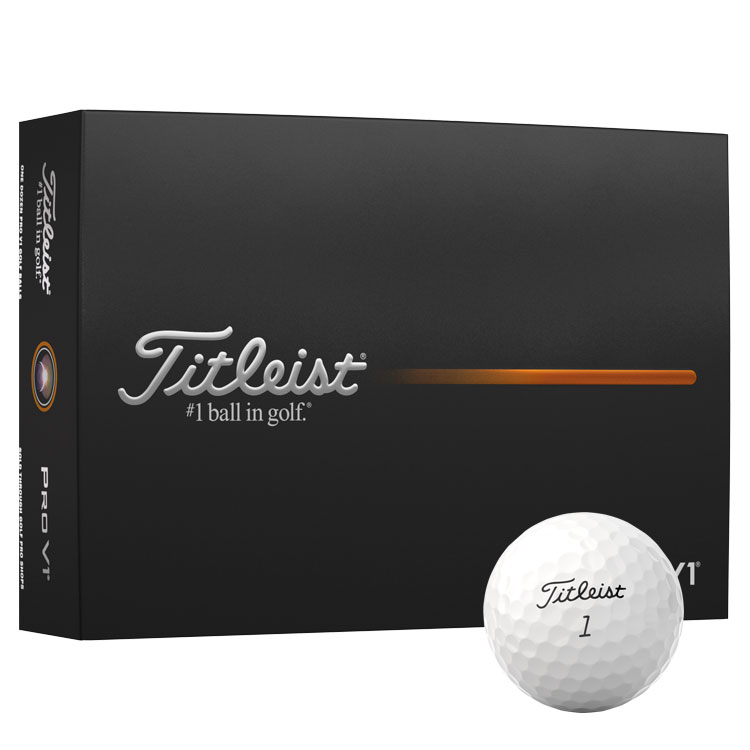
Titleist Pro V1 Golf Balls White
How it performs
Manufacturing consistency is where independent testing backs up the Pro V1’s reputation most convincingly. MyGolfSpy’s Ball Lab, which physically tests balls for compression consistency and construction quality rather than relying on marketing claims, gave the current Pro V1 a 97 out of 100 overall grade with an ‘Excellent’ rating for compression consistency, the highest score the lab had recorded up to that point. That matters more than it sounds: it means the ball you hit off the tee performs the same way as the one you’ll be putting with later in the round, shot after shot.
On pure driver distance, the honest picture is more nuanced than the premium price suggests. Independent testing comparing the Pro V1 against the significantly cheaper Kirkland Signature ball found the two landed within one to three yards of each other off the driver. Where the Pro V1 pulls clearly ahead is around the green: the same testing measured roughly a 1,250rpm wedge spin advantage from 35 yards, on top of tighter shot-to-shot tolerances. That’s a real, measurable difference, and it’s exactly the kind of advantage that shows up in stopping power on approach shots and short-game control, particularly for golfers who already have the skill to take advantage of it.
That nuance leads to the most useful, honest piece of buying advice available: the Pro V1’s premium pays off specifically if you score consistently enough to control your wedge distances and don’t lose several balls a round. If your short game is still developing, or you regularly lose balls in the rough or water, independent analysis suggests the extra cost over a strong mid-tier ball rarely translates into lower scores. One further honest caveat worth knowing: performance measurably softens in cold weather, with reduced feel and carry below roughly 55°F. Titleist’s own guidance is to keep sleeves at room temperature between holes rather than leaving them in a cold bag, and golfers who play a lot of genuinely cold-weather golf may find the softer Titleist AVX, or another low-compression ball, holds its feel better in those conditions. Comparing every ball brand and budget tier? Our golf ball buying guide covers Callaway, TaylorMade, Srixon and the rest alongside Titleist.
Titleist Pro V1 Specifications
- Independently verified manufacturing consistency, confirmed by real lab testing rather than marketing claims alone
- Genuine, measurable wedge spin and greenside control advantage over cheaper alternatives
- Low driver spin paired with a penetrating, wind-stable flight
- Soft, well-regarded feel off every club in the bag
- Suits a wide range of swing speeds rather than requiring tour-level clubhead speed
- Genuinely premium price; independent testing shows some of that gap doesn’t translate into driver distance specifically
- The clearest performance advantage (greenside spin) only pays off if your short game can use it
- Feel and carry measurably drop in cold weather below roughly 55°F
- Not the most forgiving or value-oriented choice for golfers who lose several balls per round
A genuinely cheaper way to play the same ball
One option worth knowing about before you look at a different brand entirely: Titleist Pro V1 balls are also sold as rewashed, graded stock, the same construction and performance profile, sold at a lower price because they’ve been previously hit and reconditioned rather than being a lesser product. For golfers who want the genuine Pro V1 performance without paying full new-ball price every round, this is worth trying before assuming you need to switch models entirely.
Want to Spend Less? Rewashed Pro V1s Are Worth a Look
If the full price of new Pro V1s adds up over a season, Titleist Pro V1 Grade A Rewashed balls are the same ball, cleaned and quality-graded rather than a cheaper alternative model, at a noticeably lower price per dozen.
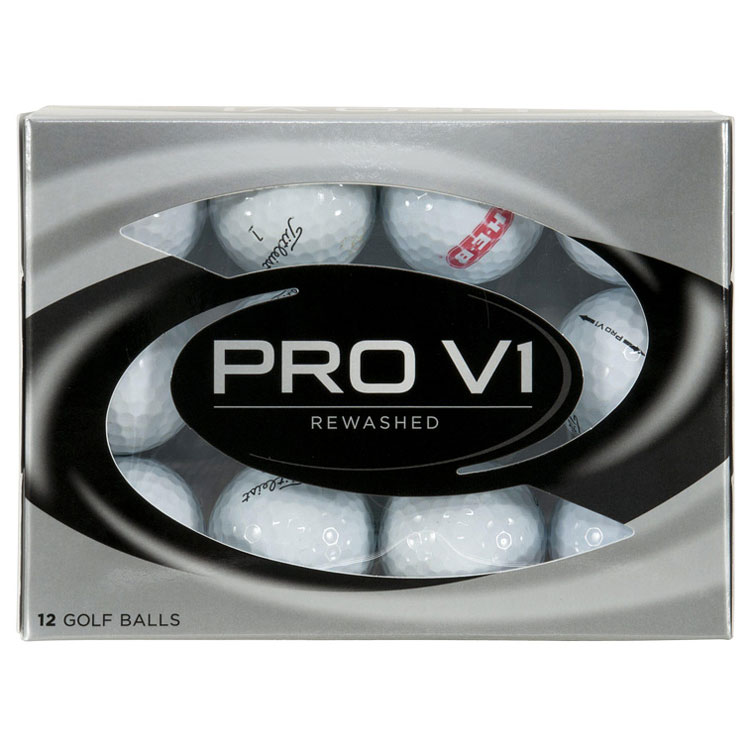
Titleist Pro V1 Grade A Rewashed Golf Balls White
How We Compiled This Review
We haven’t independently lab-tested this ball ourselves, so rather than fake that, we built this review from genuinely independent testing sources, checked against Titleist’s own published specifications.
-
MyGolfSpy Ball Lab data
Used their independent, physically-measured compression consistency grading rather than repeating marketing claims about quality.
-
Independent comparative testing
Used published data comparing the Pro V1 directly against a significantly cheaper ball (Kirkland Signature) to give honest context on where the price premium actually shows up.
-
Filtered out unreliable sources
Several golf ball review sites we found read as templated or promotional content rather than genuine independent testing; we relied on sources with specific, checkable data over generic marketing-style claims.
-
Verified against Titleist specs
Checked every technical spec against Titleist’s official product documentation.
The value question, whether the premium is worth it for your specific game, is where we’ve tried hardest to be genuinely useful rather than just repeating that it’s the most popular ball in golf.
What to Check Before You Buy
The Pro V1’s clearest advantage is greenside spin control. If your wedge play is still developing, that advantage is harder to cash in.
If you regularly lose several balls a round, independent analysis suggests the premium rarely pays for itself in lower scores.
The same ball, reconditioned, is a genuine way to play Pro V1 performance for less if new-ball cost adds up over a season.
Feel and carry both soften below roughly 55°F. Keep sleeves warm between holes, or consider a softer ball for consistently cold conditions.
Frequently Asked Questions
Is the Titleist Pro V1 worth the price?
Independent testing confirms genuine manufacturing consistency and greenside spin advantages over cheaper balls. Whether that’s worth the premium depends on whether your short game can use the extra control and how many balls you typically lose per round.
How much better is the Pro V1 than a cheap ball off the driver?
Independent testing found a significantly cheaper alternative (Kirkland Signature) landing within 1-3 yards off the driver. The Pro V1’s clearer advantage is around the green, not off the tee.
Does the Pro V1 perform worse in cold weather?
Yes, feel and carry measurably reduce below roughly 55°F. Titleist recommends keeping sleeves at room temperature between holes rather than leaving them in a cold bag.
What swing speed suits the Pro V1?
It’s designed for a wide range, generally around 90-105mph driver swing speed, rather than requiring tour-level clubhead speed to perform well.
What's a cheaper way to play the same ball?
Titleist sells rewashed, graded Pro V1 stock at a lower price per dozen. It’s the same construction and performance profile, not a lesser model, just previously used and reconditioned.
No surprise charges at the door: VAT and import duty are included in the price and prepaid. Delivery is €7, free over €120, in 2–4 working days.
The Pro V1’s reputation is backed by genuinely independent lab data, not just tour usage numbers: real manufacturing consistency and a measurable greenside spin advantage over much cheaper balls. The honest catch is that advantage is specific, not universal. It pays off most clearly for golfers with the short game and consistency to use it. If that’s you, this remains the benchmark for a reason. If it isn’t yet, a rewashed dozen or a strong mid-tier ball may serve your scorecard just as well for less.