Callaway Elyte Driver Review
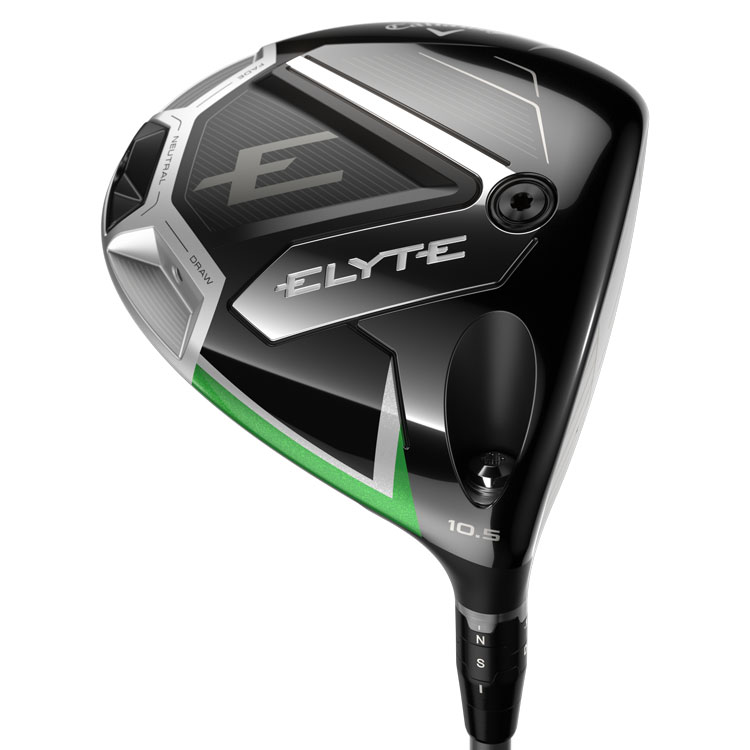
The Elyte replaces the Paradym Ai Smoke Max as Callaway's standard driver, named after founder Ely Callaway and built around a new, more aerodynamic 460cc shape intended to add clubhead speed without giving up the forgiveness that made its predecessor popular.
Independent Trackman testing backs up the core distance claim with real measured gains over the Ai Smoke, and reviewers are consistently impressed by the sound and adjustability. The one recurring point of genuine disagreement is looks, not performance, worth knowing before you commit to a colourway you haven’t seen in person.
- Independent Trackman testing found the Elyte outperformed its Paradym Ai Smoke Max predecessor by a few yards, driven mainly by improved launch conditions
- New Ai10 face has 10 times more control points than the previous generation, reducing ball speed loss on off-centre strikes
- Discrete 3-port adjustable weighting replaces the old sliding-weight track, and reviewers consistently prefer it
- The carbon crown and script styling draws genuine, repeated criticism from reviewers who otherwise rate the performance highly
The Short Version
- Independent Trackman testing confirmed real distance gains over the previous Paradym Ai Smoke Max, mainly from improved launch and spin conditions rather than raw clubhead speed alone.
- Callaway markets the launch as ‘Mid-High,’ though at least one reviewer rated it closer to ‘Mid’ in practice, a fine distinction worth confirming with your own fitting.
- Sound and feel are consistently rated as a genuine step up from the Ai Smoke, described by more than one reviewer as ‘spectacular.’
- Looks are the one recurring point of disagreement: several reviewers who rated performance highly weren’t fully sold on the carbon crown and script detailing.
Callaway Elyte Golf Driver
Callaway Elyte Golf Driver
How it performs
Distance is where the Elyte earns its keep, and it’s backed by real independent testing rather than just marketing copy. One outlet’s side-by-side testing, using the same ball across both drivers, measured the Elyte at roughly 1.8 yards longer on average than the outgoing Paradym Ai Smoke Max, alongside noticeably lower spin for a more penetrating flight. That’s a modest, believable gain rather than Callaway’s own marketed figure of up to 8 yards longer, and it’s worth trusting the independently measured number over the manufacturer’s headline claim. The gain came mostly from improved launch and spin conditions rather than a large jump in raw clubhead speed, which is consistent with Callaway’s own claim of up to 1.3mph extra head speed, a manufacturer figure worth treating as a claim rather than a guarantee, since your own numbers will vary with your swing.
The new Ai10 face, with ten times more control points than the previous Ai Smart Face, is designed specifically to reduce the ball speed drop-off on off-centre strikes, and reviewers consistently report exactly that: strong ball speed retention even on mishits. Adjustability gets a genuine upgrade too. Callaway moved from a sliding weight track to what it calls a discrete system, with the 13g weight moving between three fixed ports rather than sliding continuously. More than one reviewer specifically preferred this change, since it removes the temptation to fuss over fractional weight positions and still delivers meaningful shot shape and trajectory changes when combined with the adjustable hosel.
Sound and feel are close to universally praised, with reviewers using words like “spectacular” and describing a solid, powerful crack at impact that’s a clear step up from the Ai Smoke. Looks are the one area where the reviews genuinely split from the otherwise strong consensus. More than one experienced reviewer who rated the Elyte’s performance highly specifically called out the carbon crown and script detailing as visually polarising, with at least one saying they weren’t fully sold on it even after time with the club. That’s a subjective call worth making with your own eyes rather than assuming universal agreement.
Callaway Elyte Specifications
- Real, independently measured distance gains over the previous Ai Smoke generation
- Ai10 face genuinely reduces ball speed loss on off-centre strikes
- Discrete 3-port weighting system is a meaningful, well-received improvement over the old sliding track
- Sound and feel consistently rated among the best in Callaway’s current lineup
- Meaningful, easy-to-understand adjustability for shaping shots
- Looks are genuinely polarising: more than one experienced reviewer wasn’t fully sold on the carbon crown and script styling
- Callaway’s ‘Mid-High’ launch claim was rated closer to ‘Mid’ by at least one independent tester
- The 1.3mph clubhead speed claim is a manufacturer figure, not independently verified for every swing type
- Standard Elyte forgiveness is good but not the category leader; the Elyte X is built specifically for maximum forgiveness and draw bias
Where it sits in Callaway's range
The Elyte name covers four distinct heads, and the standard model reviewed here is positioned as the most broadly appealing, not the most forgiving or the lowest-spinning.
- Elyte: covered in this review. The standard model, balancing forgiveness, distance and adjustability for the widest range of players.
- Elyte X: built for maximum forgiveness with a genuine draw bias, well reviewed specifically for golfers who fight a slice.
- Elyte Triple Diamond: a compact, 450cc tour-preferred shape with two fixed weight ports, aimed at better players wanting lower spin and more workability.
- Elyte Mini: a mini-driver variant for golfers who want extra control off the tee.
- Paradym Ai Smoke Max: the previous generation, still available at a lower price if the Elyte’s specific gains aren’t essential to you.
If you fight a slice specifically, the Elyte X is worth trying before you commit to the standard model. Comparing it against other brands? Our golf driver buying guide covers PING, TaylorMade and the rest alongside Callaway.
Want to Spend Less? The Paradym Ai Smoke Max Is Worth a Look
If the Elyte’s price is more than you want to spend, the previous-generation Paradym Ai Smoke Max costs a little less and was itself a well-reviewed driver when it launched. You give up the Elyte’s measured distance and launch improvements, but you get a genuinely capable driver for less.
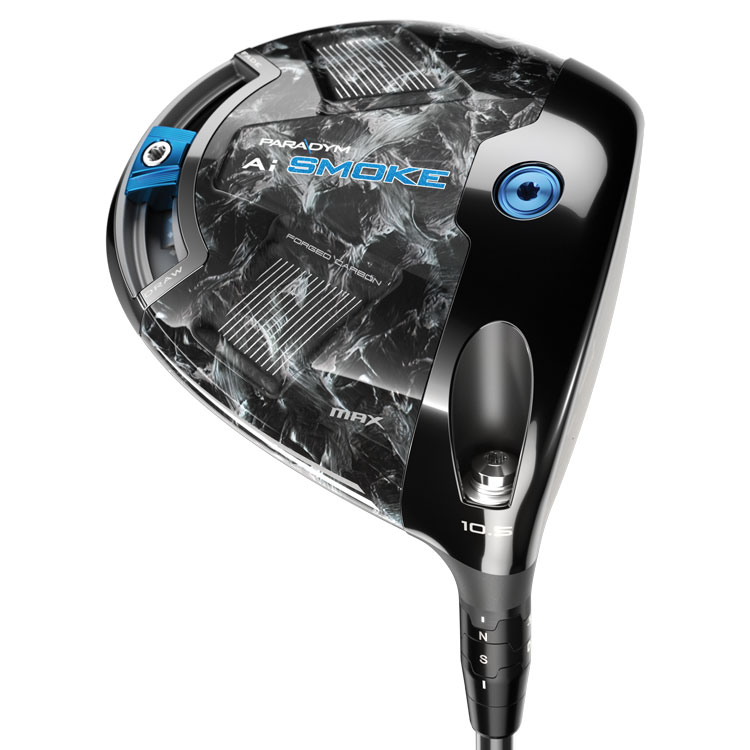
Callaway Paradym Ai Smoke MAX Golf Driver
How We Compiled This Review
We haven’t hit this driver ourselves, so rather than fake a hands-on account, we built this review from independent testing and data published across the golf media, checked against Callaway’s own published specifications.
-
Direct generational comparison
Used a published side-by-side comparison against the previous Paradym Ai Smoke Max for real, measured performance gains rather than relying on marketing claims alone.
-
Cross-checked expert reviews
Read and cross-checked reviews from Plugged In Golf, GolfWRX Club Junkie and Golfalot, including coverage of all three main Elyte models.
-
Flagged manufacturer claims clearly
Labelled Callaway’s own clubhead speed and distance claims as manufacturer figures rather than presenting them as independently confirmed, and used the independently measured gain instead.
-
Included the looks disagreement directly
Where multiple reviewers raised genuine concerns about the crown styling, we’ve reported that rather than only highlighting the positive performance coverage.
Distance and sound are where reviewers agree most strongly, once you use the independently measured numbers rather than the manufacturer’s own marketing figure. Looks are where they genuinely diverge, and we’ve represented that honestly.
What to Check Before You Buy
Reviewers genuinely disagree on the carbon crown styling. Photos and video don’t always settle this the way seeing it in your own hands will.
The discrete 3-port system offers real shot-shape control, but only if it’s set correctly for your swing. A fitting will get more from this driver than guessing.
The standard Elyte is the all-rounder; the Elyte X’s draw bias is specifically built for golfers who need help keeping the ball in play.
If the Elyte’s specific distance and launch gains aren’t essential to you, the previous generation costs less and remains a capable driver.
Frequently Asked Questions
Is the Callaway Elyte longer than the Paradym Ai Smoke Max?
Independent Trackman testing found real gains over the Ai Smoke Max, driven mainly by improved launch and spin conditions. Your own results will depend on fitting and swing.
What's the difference between the Elyte and Elyte X?
The standard Elyte is the all-round model. The Elyte X is built for maximum forgiveness with a genuine draw bias, aimed at golfers who fight a slice.
Does the Elyte look good?
This is genuinely disputed among reviewers. Several who rated the performance highly weren’t fully sold on the carbon crown and script styling, so it’s worth seeing in person if looks matter to you.
How does the adjustable weight system work?
A 13g weight moves between three fixed ports (a ‘discrete’ system), replacing the previous sliding weight track. Combined with the adjustable hosel, it allows meaningful shot shape and trajectory changes.
Is the Callaway Elyte worth upgrading to?
If you’re coming from an older driver, most reviewers say yes, particularly for sound, feel and adjustability. If you already have a well-fitted Ai Smoke Max, the gains are real but more incremental.
No surprise charges at the door: VAT and import duty are included in the price and prepaid. Delivery is €7, free over €120, in 2–4 working days.
The Elyte delivers real, independently measured improvements over the driver it replaced, with genuinely excellent sound and a smarter adjustability system to back it up. The only honest sticking point is looks, which several reviewers found less appealing than the performance deserves, worth seeing in person before you decide. For golfers wanting a genuine, verified upgrade with real tour heritage behind the name, this is a strong choice.