Categories
Trolley Reviews

Best Golf Trolleys for Seniors

Decision moment

Small design choices—handle shape, brake force, folding motion—determine whether a round ends with relief or more pain.

Mid-round, hands go stiff after the uphill walk to the 12th tee: a wrong trolley amplifies pain, a good one preserves independence. Faced with sore joints, weak grip and limited wrist motion, the real decision is not features count but how the trolley interacts with the body.

Prioritise ergonomic details—contoured, thicker grips, low-resistance brakes, single-motion folding—and simple mechanics that minimize torque and repeated fine finger effort. Comfort and intuitive controls reduce wrist strain far more than extras such as app connectivity or built-in coolers.

Quick picks for arthritis-friendly needs
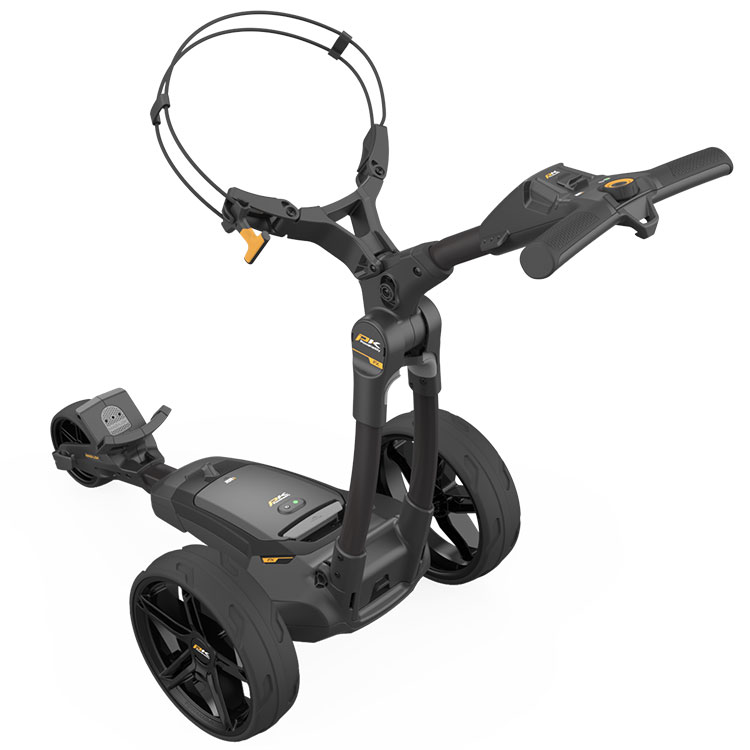
  • PowaKaddy Unisex FX1 Lithium — premium electric trolley with compact lithium battery and one-button controls to eliminate pushing effort.
  • Caddytek Explorer V8 — budget, ultra-light push cart with a simple fold and minimal grip force required.
  • FAZER 3-Wheel — three-wheel stability plus an ergonomic, adjustable handle to lower wrist torque on uneven terrain. (Efficient for balance-focused players.)
Quick picks

Shortlist for arthritis-friendly trolleys

Updated: 1 second ago
EZE Glide Cruise 3 Wheel Golf Trolley White
Easy-push design and soft grip
Soft grip handle Two-stage fold Foot brake
Entry-level — simple easy-push frame, soft grip handle and two-stage fold provide minimal hand force and straightforward brakes for reduced joint strain.
€114.82 Amazon.ie
Check price
Buying checklist

Arthritis-focused buying checklist

01
Drive system & resistance
Decide between electric and very low‑resistance manual trolleys based on pain levels and stamina: motors remove most push/pull effort but add weight and occasional maintenance. For mild arthritis, premium low‑friction push carts can be adequate; for significant joint pain an electric trolley dramatically reduces load on shoulders, wrists and knees.
Look for
Electric motor with smooth start/stop or manual carts with low‑friction bearings.
Avoid
Manual carts with high push resistance or heavy, sticky mechanisms.
02
Handle ergonomics & controls
Handles should be height‑adjustable, cushioned and easy to grip; braking and steering that require one hand or a thumb lever minimize repetitive strain. Controls positioned close to the grip reduce reach and twisting.
Look for
Adjustable, cushioned grip with single‑lever brake or thumb controls.
Avoid
Thin, hard grips or multi‑button/twist controls that require fine dexterity.
03
Weight, folding and setup
Light frame materials and a one‑motion fold reduce lifting and awkward twisting when loading into a car. Confirm the folded dimensions and the force required to collapse and reassemble the trolley in realistic conditions.
Look for
One‑motion fold and low unfolded weight.
Avoid
Multi‑step folding, heavy single‑piece frames, or awkward latches.
04
Stability, wheels & terrain handling
A wide track, stable axle geometry and foam‑filled or puncture‑resistant tyres smooth vibrations that transmit to the body. Three‑wheel designs can be easier to steer but check caster effort and stability on slopes.
Look for
Wide‑track stability, foam or puncture‑proof tyres, good caster design.
Avoid
Narrow wheels, exposed thin tyres, or poor caster alignment.
Controls & Joints

How Controls and Mechanics Affect Arthritic Joints — Quick Q&A

How does handle shape and height influence wrist and thumb pain?

Contoured, padded handles distribute pressure across the palm and reduce pinch grip on the thumb and fingers. Height adjustability prevents repeated wrist flexion or ulnar deviation, which commonly aggravate osteoarthritis in the wrist.

Are electric trolleys always better for arthritis?

Motorized drives reduce pushing and towing effort but add weight and complexity when folding or lifting into a car. For limited grip strength, a lightweight electric with an easy-release battery is preferable to a heavy manual cart.

Do folding mechanisms matter for joint strain?

One‑motion, low‑travel folds cut repetitive strain because they use a single, low‑force motion. Complex multi‑step latches can require awkward grips and twisting that irritate arthritic thumbs and index fingers.

How do wheel setup and steering affect shoulders and elbows?

Stiffer steering reduces corrective wrist torque but increases push force transmitted to shoulders; swivel front wheels improve maneuverability but may demand constant micro‑adjustments. Balance stability against the need for repeated small corrections.

Which parking or braking systems are least taxing?

Foot‑activated parking or drop‑in parking positions minimize finger dexterity and grip strength. Hand‑operated brakes that require pinching should be avoided if finger joints are painful.

Simple pre‑purchase checks to protect arthritic joints

Try before buying. Test these actions in real time:

Grip and hold the handle for 30 seconds; if fingers fatigue quickly, the grip is too small or hard. Operate the fold once; any high‑force latch is a red flag. Push and steer over 20–30 paces; note shoulder and wrist effort. Lift the battery or folded trolley into a mock car boot to verify manageable weight.
Myths vs Facts

Common shortcuts that harm more than help

Myth
The lightest trolley is always best for arthritis.
Fact

Ultra‑light frames can sacrifice stability and require more steering corrections, increasing joint movement and strain.

Why it matters

More corrections mean repetitive micro‑motions in wrists and shoulders, worsening pain over a round.

Myth
Bigger, thicker grips automatically reduce joint pain.
Fact

Oversized grips can force fingers open and increase extensor fatigue; ergonomic shape and cushioning are more effective.

Why it matters

Proper contouring supports the palm and reduces pinch forces that aggravate thumb and finger joints.

Myth
An electric trolley eliminates all joint effort.
Fact

Motors cut pushing effort but add lifting and handling tasks for batteries and heavier frames.

Why it matters

Those extra lifts and heavier folds can transfer strain to hands and shoulders during storage and transport.

Best for
Low-effort mobility Battery-reliant users Ergonomic handle seekers
Not for
Tech-averse players Budget-only shoppers
Pros
  • Powerful motor that removes most pushing force and reduces joint torque
  • Pause/resume speed control keeps one-handed adjustments minimal
  • Height-adjustable soft‑touch handle improves wrist and grip ergonomics
  • Plug ’n’ Play 30V lithium battery offers consistent range and fast swapability
  • Robust metal chassis for stable, low-vibration rolling
Cons
  • Electronics introduce failure points and require basic familiarity
  • Lithium battery increases upfront cost and replacement expense
  • Single LED indicator is less informative than multi‑indicator systems
  • Slightly heavier overall than the most minimal manual trolleys
Premium choice

Delivers the lowest pushing torque in its class through a high‑power motor and simple speed control, easing strain on arthritic joints. The ergonomic handle and stable chassis further reduce compensating stresses. Trade-offs include higher cost, battery weight, and reliance on electronic controls—unsuitable for those who prefer mechanical simplicity or who are uncomfortable with basic electronics.

Buy now
PowaKaddy FX1 Best Overall
Lithium battery Ergonomic handle Low-effort controls

02 Best Value
Caddytek Unisex Explorer V8 Golf Push Cart, Silver

Affordable, easy-fold design

Compact fold Lightweight Ample storage

Low‑effort, no‑frills push cart for budget‑minded golfers. The Caddytek Explorer V8 is a lightweight manual trolley that prioritises ease of pushing and a fast two‑step fold over premium materials or luxury padding. Its simple aluminium frame, adjustable handle and integrated foot‑brake keep controls intuitive for limited‑strength users while folding to a compact package for storage and car boot transport. Consider this among the budget comfortable trolleys for seniors when affordability and low push resistance matter more than long‑term cushioning or heavy‑duty durability.

Best for
Occasional golfers Budget-conscious seniors Carrying light loads
Not for
Daily heavy use Rough terrain play
Pros
  • Very light aluminium frame (under 14 lbs) for minimal push effort
  • Patented two‑latch rapid fold — one motion, compact storage
  • Adjustable handle height and simple foot brake for easy control
  • Integrated storage, scorecard and device holders improve convenience
Cons
  • EVA wheels and thinner frame materials reduce shock absorption and longevity
  • Basic handle lacks advanced ergonomic padding for prolonged walks
  • Foot brake is functional but less refined than premium braking systems
  • Limited warranty and lower resistance to heavy daily use

03
FAZER 3-Wheel Golf Trolley with Easy-Fold Design, Adjustable Straps & Ergonomic Handle

Stable 3-wheel balance on varied terrain

3-Wheel stability Adjustable straps Ergonomic handle

FAZER 3‑Wheel Golf Trolley — Stable 3‑wheel option. Aimed at golfers who need predictable, low‑effort steering and secure bag retention, the FAZER pairs a stable three‑wheel layout with an adjustable, moulded handle and strap system to reduce hand and wrist strain during a round.

Best for
Arthritic golfers Steady‑pace walkers Uneven terrain
Not for
Courses with tight turns Frequent sharp pivots
Pros
  • Three‑wheel geometry reduces small corrective steering inputs and the need for abrupt wrist twists
  • Moulded ergonomic handle spreads grip pressure and limits painful hotspots on arthritic hands
  • Height adjustability lets the push line stay neutral, cutting wrist deviation and forearm torque
  • Adjustable bag straps lock the bag to the frame, preventing sudden load shifts that force corrective turns
  • Lightweight yet sturdy frame lowers push force over long walks
Cons
  • Wider three‑wheel track increases rolling resistance during very tight pivots or on narrow lines
  • Requires larger turning arcs or brief lift‑assists for sharp course manoeuvres
  • Removable wheels and folding joints can need slightly more setup torque

04
EZE Glide Cruise 3 Wheel Golf Trolley White

Easy-push design and soft grip

Soft grip handle Two-stage fold Foot brake

Entry‑level three‑wheel for low‑effort play

The EZE Glide Cruise 3 Wheel is an affordable, no‑frills three‑wheel trolley aimed at beginners and returners seeking minimal controls and light steering. Its easy‑push design and soft‑grip handle keep initial friction low, so getting back on the course is less daunting for arthritic hands.

Pairs well with beginner‑friendly trolleys that are low effort for players prioritising simplicity over advanced features.

Best for
Beginner golfers Returning players Budget‑conscious users
Not for
Frequent heavy use Long‑course rounds
Pros
  • Easy‑push design lowers push effort
  • Soft grip handle for sore hands
  • Two‑stage, one‑motion fold
  • Adjustable handle height
  • Foot brake for straightforward stopping
Cons
  • Basic wheels; limited puncture resistance
  • Lightframe may show wear with heavy use
  • Minimal suspension or added comfort
  • Fewer ergonomic adjustments than premium models
Setup & One‑hand fixes

Step‑by‑step ergonomic setup and one‑hand strap solutions

  • Set handle height and wrist angle

    Stand as during play and set handle so the elbow is ~90°; the wrist should rest neutral when holding the grip. If the trolley has an angled handle option, tip it forward 5–10° to reduce wrist extension.

  • Lock handle angle and use larger knobs

    Tighten clamps with the handle in final position, then replace small thumb screws with T‑handles or oversized soft knobs to reduce pinch force during adjustments.

  • Fit one‑hand strap systems

    Use wide, padded webbing with a quick‑release cam buckle or magnetic snap so a single hand can secure and release the bag. Start with the easy strap solutions for arthritic hands when choosing fittings.

  • Add padded cuffs and enlarged grips

    Attach neoprene padded cuffs around the handle or swap to an oversized foam grip to widen contact area and lower pressure points; closed‑loop cuffs let the hand rest rather than grip continuously.

  • Small retrofits that materially reduce torque

    Fit a short handle extension for leverage, grease fold joints, and install quick‑release strap mounts. Each small change cuts the peak torque required to fold, adjust, or secure the trolley.

Watch a concise demo

Visual learners benefit from a 60–120s demo. Look for videos showing:

One‑hand strap attachment (cam buckle or magnetic snap). Handle height set with elbow at 90°. Changing to oversized knobs and grips.

If available, consult the manufacturer setup video for the chosen model—examples often show strap routing and knob swaps for models with adjustable handles.

Methodology

How recommendations were evaluated

Summarizes the hands-on tests and objective metrics used to judge trolleys for users with arthritis, focusing on effort, ergonomics and reliability.

  • Effort and control

    Measured push/pull force, handle torque, brake force and single‑hand operation time to quantify joint load.

  • Stability and steering

    Assessed static tipping, turning radius, and corrective steering required over varied terrain for reduced wrist strain.

  • Durability and power

    Tested battery run time, recharge cycles, folding mechanism life and strap ergonomics for long‑term low‑effort use.

Metrics combine instrumented measurements (force gauge, battery cycler) with timed practical tests to reflect real‑world rounds.

How recommendations were evaluated

Evaluation prioritized the mechanical and ergonomic factors that directly reduce joint load. Tests included: measured push/pull force with a force gauge; timed one‑hand fold/unfold and strap fastening; handle rotation torque; and on‑course steering corrections on turf and hard paths. For motorized trolleys, battery range and assist responsiveness were logged over repeat 18‑hole simulations to detect performance dropoff.

Maintenance checklist (actionable)

  • Charge schedule: charge lithium packs after each round; avoid leaving at 0% or 100% for prolonged periods. Store at ~40–60% state of charge for long storage.
  • Temperature and storage: keep batteries dry and between 0–25°C when possible; avoid freezing or hot car trunks.
  • Connector and contact care: clean terminals with a non‑metallic brush and protect with dielectric grease.
  • Periodic checks: monthly capacity test (full charge then timed discharge under load) and visual inspection of cables and wheel bearings.
  • Mechanical upkeep: lubricate pivots, inspect straps and brakes, and torque‑check handle fasteners after 10 rounds.

For more in‑depth procedures and service intervals, see the maintenance tips to extend trolley life.

Battery quick rules
Battery care essentials

Never fully drain lithium batteries; charge soon after use.
Store partially charged in a cool place.
Run a capacity check quarterly and replace when capacity falls below ~80% of original.
Keep charging and storage contacts clean and dry.

Buying checklist

Day-of Demo Checklist and Immediate Next Steps

  • One-handed steering: hold the handle with the dominant hand and steer a 20–30 m straight line; minimal corrective wrist torque indicates good design.
  • Folding with minimal lifts: complete the fold from standing without lifting the trolley or bending repeatedly; time the motion and count hand actions.
  • Strap access and bag fit: fasten and release straps one-handed; test pouch and accessory reach with an arthritic grip or padded cuff in place.

Recommended picks. For the lowest sustained effort, choose the PowaKaddy FX1 Lithium—motor assist and an ergonomic handle suit longer rounds and limited joint strength. The FAZER 3‑Wheel is best for maximum steering stability and gentle one‑hand handling on uneven terrain. On a strict budget, the Caddytek Explorer V8 delivers the lightest, simplest fold; the EZE Glide Cruise is a sensible entry-level choice for short rounds.

Demo priorities and buy actions. Run the three tests above plus brake engagement and battery start/resume (for electrics). Confirm return policy, local service/warranty, and request in-store setup with strap fitting before finalizing the purchase.

Categories
Trolley Reviews

Adjusting a Trolley Handle that Feels Too High

Why a too‑high handle matters

A handle set too high elevates shoulders and quickly drains focus and energy.

Halfway through a round, a trolley grip that rides at chest level forces the shoulders upward, shortens posture and lets the forearms overextend — a combination that degrades steering precision and accelerates fatigue. That misalignment increases torque through the arms and prompts compensatory leaning from the lower back and neck, raising the risk of strain over multiple holes.

Three paths follow: use the trolley’s native adjustments (telescoping stems, collars and indexed positions) to find a repeatable height; apply short‑term fixes such as foam sleeves, padded grips or repositioned straps during a round; or pursue permanent remedies — shorter replacement stems, aftermarket adjustable handles or professional modification for a safe, repeatable fit.

Key numbers
  • Ergonomic target: a slight elbow flex of ~10–20°; handle commonly 5–15 cm (2–6 in) below the relaxed elbow.
  • Adjustment ranges: stock telescopes typically change ≈5–15 cm; aftermarket stems can shorten height by ≈10–25 cm.
Checklist

Quick parking-lot checklist

  1. Measure handle and wrist

    On level ground, stand behind the trolley with arms relaxed. Measure from floor to handle top and note wrist alignment while gripping; record the desired height.

  2. Identify adjustment type

    Inspect stem and joint for quick‑release levers, push‑buttons, telescoping collars, set screws or expander bolts; note whether adjustment is external or internal.

  3. Check obstructions and damage

    Look for dirt, corrosion, bent stems, jammed cables, missing pins or stripped threads. Gently operate mechanism to detect binding.

  4. Gather tools and documentation

    Bring metric Allen keys (2–6 mm), 8–15 mm spanner or adjustable wrench, flathead screwdriver, penetrating oil, rags, and spare pin/set‑screw. Photograph the current setup and keep a small tray for removed parts.

Lower handle

Lowering each common handle mechanism: step-by-step

  1. Telescoping tube (internal sleeve)

    The outer sleeve should be unlocked (twist collar or push-button) before sliding the inner tube down. Support the upper tube and depress any release button or rotate the locking collar; then lower the inner stem smoothly while watching for cable pinch points and limit stops. After setting height, re-engage the lock and confirm no play or misalignment along the tube length.

  2. Pin-and-hole (detent pin)

    Locate and depress the detent pin or remove the retaining cotter/snap if present, then slide the stem until the desired hole lines up and the pin seats fully. If the pin binds, clean debris from the hole and lubricate lightly; a bent or worn pin requires replacement. Verify the pin passes through the hole completely and that the handle cannot rotate or move under moderate force.

  3. Clamp or quick-release lever

    Open the lever or loosen the clamp bolt just enough to free the stem, then lower to the new position. With quick-release levers, adjust the cam tension (tighten or loosen the adjusting nut) so the lever closes with firm resistance — not so loose that it slips, nor so tight that threads strip. After closing the clamp, inspect for gap between clamp faces and test by applying moderate torsion and downward force.

  4. Threaded collar (screw-style locking collar)

    Rotate the threaded collar counterclockwise to release, holding the tube steady to avoid twisting attached cables. If the collar is seized, apply penetrating lubricant and use a strap wrench or appropriate tool for controlled force; avoid sudden impacts that can damage threads. Once lowered, tighten the collar firmly and check any secondary locknuts or set screws for correct seating.

  5. Mechanism-specific checks and safety test

    Confirm correct cable routing, clearance from the trolley body, and that any stopper rings or O-rings are in place to prevent slippage. Conduct a load test by pressing on the handle with body weight and steering the trolley to ensure the adjustment holds under real use. If movement, binding, or excessive play persists, lock the mechanism and consider component replacement or professional inspection.

If unsure about seized parts or when structural damage is suspected, seek professional repair rather than forcing adjustments.

Short-term fixes

Immediate reversible fixes

Temporary adjustments to improve comfort now

Quick, reversible adjustments

When lowering the handle permanently is not possible, try small changes that change hand position or the bag’s center of gravity. Test each fix in a safe, flat area before extended use.

  • Reposition the load. Move heavier items to lower compartments, or shift the bag back toward the trolley base to reduce lever arm and perceived height.
  • Add a lower hand loop. Secure a short strap or webbing loop around the stem below the main grip and clip it with a locking carabiner. Use it as a secondary handhold for short stretches.
  • Use a grip sleeve or wrap. Slide a foam or silicone sleeve onto the stem below the handle to create a lower, comfortable contact point.
  • Temporary accessory mount. Clip an accessory (small pouch or strap) to the stem below the grip to provide an alternate, lower hand position.

Always verify security and non-slip contact before relying on any temporary measure.

Unsafe DIYs to avoid

Do not cut, drill, weld, or alter structural parts of the stem or handle. Avoid relying on weak adhesives, loose knots, or unstable clamps that can slip under load. Permanent structural changes should be performed by a qualified technician or with manufacturer-approved parts.

Permanent fixes

Long-term modification options

OEM stems, lower-profile handles, and upper‑tube swaps

Legitimate long-term routes

Three durable approaches exist: replace the stem with an OEM or compatible aftermarket unit, fit a lower-profile handle assembly, or perform a full upper‑tube swap to change geometry.

What to verify before ordering parts

Always confirm these measurements and interfaces to ensure fit and safety:

  • Outer/inner tube diameters (mm) and wall thickness.
  • Bolt spacing and hole diameter for clamp plates or hinge brackets.
  • Sleeve length and engagement depth (how far one tube inserts into another).
  • Fastener type (hex bolt, spline, push‑pin) and torque spec if available.
  • Control/electrical interfaces for electric trolleys (pin count, connector type, cable routing).
  • Load rating and material (aluminum vs. steel) to match structural capacity.

Measuring method: use calipers for diameters, a ruler for engagement length, and photograph existing fittings. Confirm spline counts or keyed interfaces visually.

OEM vs aftermarket and installation notes

OEM parts guarantee fit, documented torque specs, and matching materials. Quality aftermarket stems can be acceptable if dimensions and load ratings match. For full swaps, prefer welded or bolted assemblies designed for the model. Always replace locking hardware, use recommended threadlocker, and follow torque values.

Why contact manufacturer or dealer

Manufacturer/dealer approval preserves warranty, ensures structural safety, and provides correct part numbers and installation guidance—critical for preventing failures and liability.

Checklist

Replacement buying & compatibility checklist

01
Required adjustment range
Confirm the replacement allows the same or greater vertical travel than the current handle plus margin for posture. Include any locked positions and micro‑adjust steps.
What to look for
Adjustment span ≥ existing plus 25 mm; positive locking detents
What to avoid
Minimal single‑position stems or adapters that reduce usable travel
02
Stem interface: dimensions and type
Match stem outer diameter, insertion length, clamp/spline type and bolt pattern to the trolley tube or collar. Mismatched interfaces can require custom shims or risk slippage.
What to look for
Exact OD and clamp type (e.g., 25.4 mm, 31.8 mm, splined, tapered) and adequate insertion depth
What to avoid
Assuming ‘close’ sizes fit; generic stems without specified OD/length
03
Handle shape and ergonomics
Select a grip geometry that preserves hand positions and brake access; long‑loop and ergonomic handles change leverage and wrist angle.
What to look for
Comparable grip reach, hand clearance, and brake lever compatibility
What to avoid
Flat or overly wide grips that force altered wrist posture
04
Weight, centre of gravity and dynamic effects
Heavier or longer handles shift the trolley’s CoG and alter steering feel; evaluate with anticipated payload and loaded/unloaded tests.
What to look for
Manufacturer mass data and notes on impact to stability; test-fit under load
What to avoid
Ignoring mass change when swapping to metal or oversized handles
Methodology

Before purchase, record measured travel, stem OD/ID, insertion depth and clamp type on the parts list; cross‑check with manufacturer fit charts and online fit notes. For practical reference, consult the push trolley handle adjustments resource when mapping required travel to available stems. After installation, confirm lock integrity, do a loaded steering test, and retorque fasteners after 24 hours of use.

  • Measure twice, order once

    Verify OD, insertion length and travel with calipers and a straightedge before ordering.

  • Check official fit notes

    Use OEM fit charts, part compatibility lists and user‑reported fitments to catch subtle mismatches.

  • Plan aftercare

    Schedule re‑torque, inspect for slippage after initial use, and keep original part for fallback.

Parts were evaluated by dimensional verification, test-fits on representative frames, and dynamic load checks; always review manufacturer fit notes and community fit reports for model-specific caveats.

Myths & Facts

Common handle-change misconceptions

Myth
Swapping is just one bolt.
Fact

Usually false — interfaces differ.

Why

Different clamp diameters, tapers, or internal routing prevent direct swaps.

Myth
Lowering always reduces stability.
Fact

Not necessarily; small drops help posture.

Why

Large drops affect steering geometry and mass distribution.

Myth
Any change voids warranty.
Fact

Varies; OEM-approved swaps may be allowed.

Why

Manufacturers often permit non-structural parts; verify policy.

Frequently Asked Questions
Handle won't lock after lowering?

Likely clamp misalignment, debris, or stripped threads; clean and re-torque.

Handle feels loose despite torque?

Wrong torque spec or damaged inserts; replace and torque to spec.

Cables bind after stem swap — fix?

Re-route inside stem, lengthen housing, or fit ferrules.

Final steps

Decision Flow and Final Checks

  • Prioritize reversible, low‑risk actions before any structural changes.
  • Match replacement parts to stem diameter, bolt pattern, and torque specs.
  • Schedule simple maintenance: lubricate pivots, inspect fasteners, re‑test ergonomics.

Follow a compact, prioritized decision flow: measure and identify the handle interface, try the built‑in adjustment, apply a reversible temporary fix if necessary, then source OEM or compatible parts — or seek professional help. Maintain pivots, fasteners, and seals; verify fit dimensions and manufacturer guidance to protect warranty and ensure safe operation.

Step List
  • 1) Measure and identify

    Record handle height relative to wrist and note adjuster type, stem diameter, and connector pattern.

  • 2) Try native adjustment

    Operate the intended adjuster fully, check for seized fasteners, and confirm locking mechanisms seat correctly.

  • 3) Apply a temporary, reversible fix

    Use non‑permanent spacers, grip sleeves, or strap reroutes to test comfort before committing to parts.

  • 4) Source OEM or compatible parts

    Match diameter, bolt pattern, and material; prefer OEM for warranty and precise fit.

  • 5) Professional help and final test

    If fit or safety is uncertain, consult a certified technician and perform a road/test walk with full load.

If unsure about fit or structural integrity, stop and consult the manufacturer or a certified repair technician.

Categories
Trolley Reviews

How Long Do Golf Trolleys Really Last?

Repair or replace?

A mid-round motor failure makes the repair-or-replace decision urgent—and costly.

On the 12th green, a limp wheel or an intermittent motor turns a nuisance into a dilemma: repair an aging component or buy a new trolley with a longer warranty and modern features. Stakes are financial (repair bills, resale), operational (reliability during rounds) and safety (battery or wiring faults).

An evidence-based choice balances expected remaining life, repair cost relative to replacement, and parts availability. If repairs approach 40–50% of replacement price, or expected life is under two seasons, replacement is usually preferable. Low-cost, reversible fixes remain worthwhile when parts and warranties support further years of use.

Life expectancy

Lifespan benchmarks by trolley class and battery

Quantitative expectations for wear and replacement timing

Expected service life (benchmarks)

  • Manual trolleys (push/pull, non-motorized): typical service life 5–12 years. Common failure points are wheel bearings, handle joints, and frame corrosion. If structural fatigue or persistent wobble appears before year 5, that is early wear.
  • Electric trolleys (entry to mid-level): average life 3–8 years depending on battery and motor type. Motors (brushed) often last 2–6 years under frequent use; typical battery replacements occur every 2–4 years for lead-based packs.
  • Premium frames and high-end builds: aluminium, chromoly, or carbon components routinely last 8–25 years with normal use. Electronics and batteries still govern overall service life.

Battery chemistry benchmarks

  • Sealed lead-acid (SLA/AGM): ~300–500 cycles or 2–4 years of regular use. Early failure: <200 cycles.
  • Lithium-ion (NMC): ~800–1,500 cycles or 4–8 years. Early failure: <500 cycles.
  • Lithium iron phosphate (LiFePO4): ~2,000–5,000 cycles or 6–12+ years.

Quick judgement rule

Estimate remaining life by percent used: <50% = early, 50–80% = typical, >80% = near end-of-life. Prioritize battery cycle count, motor brush condition, and frame fatigue when deciding repair versus replace.

Subsystem checklist

Component failure profile

Common causes, symptoms, and realistic lifespans by subsystem

A concise breakdown of likely failure modes, observable symptoms, and practical longevity expectations for each major trolley subsystem.

Frame

  • Common causes: corrosion, cracked welds, impact damage, material fatigue from repeated loading.
  • Typical symptoms: visible rust, wobble, misalignment of bag platform, joint play.
  • Expected longevity: 10–20+ years for aluminium or stainless frames with good care; painted steel often 5–10 years.

Wheels/tyres

  • Common causes: UV degradation, punctures (pneumatic), worn tread, warped rims.
  • Typical symptoms: vibration, poor rolling, increased steering resistance.
  • Expected longevity: pneumatic tyres 1–4 years (depending on use); solid/foam-filled 3–8 years.

Bearings and axles

  • Common causes: water ingress, grit contamination, lack of lubrication.
  • Typical symptoms: grinding noise, stiff rotation, heat on axle.
  • Expected longevity: 3–10 years; sealed bearings last longer but are replaceable.

Motor and drivetrain

  • Common causes: worn brushes (if brushed), gearbox wear, belt slip, overheating.
  • Typical symptoms: loss of torque, strange noises, intermittent drive.
  • Expected longevity: 5–15 years depending on design and load profile.

Batteries

  • Common causes: deep discharge, high temperatures, excessive cycle count, poor charging habits.
  • Typical symptoms: reduced range, rapid voltage sag, failure to hold charge.
  • Expected longevity: lead-acid 1–3 years; lithium 3–7 years (or 300–1,500 cycles).

Electronics and controls

  • Common causes: water/condensation, connector corrosion, failed sensors, firmware faults.
  • Typical symptoms: erratic behaviour, error codes, non-responsive remote.
  • Expected longevity: 3–10 years; modular control units often replaceable at moderate cost.
Real-world variables

How terrain, load, storage and climate change real lifespan

Myth
Manufacturer lifespan figures apply equally to every user.
Fact

Those figures assume moderate use on smooth courses; rough terrain, frequent hill work and aggressive riding shorten practical life.

Why it matters

Impacts and sustained high motor draw increase frame fatigue, bearing load and heat—accelerating wear well beyond nominal hours.

Myth
Carrying heavier bags or overloading rarely affects longevity.
Fact

Consistent heavy loads accelerate motor, gearbox and wheel wear and can deform frames.

Why it matters

Increased current draw raises operating temperature and stresses mechanical joints; consult how capacity affects trolley lifespan for capacity thresholds and adjustment strategies.

Myth
Leaving a trolley idle preserves it.
Fact

Long-term storage without proper preparation often causes battery degradation, seal drying and corrosion.

Why it matters

Batteries self-discharge and age faster in heat; seals crack, tyres flatspot, and electronics corrode in humidity—scheduled exercising and climate-controlled storage prolong life.

Maintenance schedule

Practical maintenance schedule — immediate, weekly, monthly, annual, battery care, winterizing

  • Immediate after-round checklist

    Remove grass, mud and grit from frame, wheels and axles; wipe down connectors and dry battery terminals. Quick-check tyre pressure, tighten visible fasteners, and confirm brakes and wheel bearings run smoothly before storing.

  • Weekly tasks

    Clean folding joints and apply a light lubricant to pivots and quick-release levers. Inspect tyres for cuts or embedded debris and top up to recommended pressure; retighten any loose bolts.

  • Monthly tasks

    Perform a drivetrain and motor-attachment inspection: check motor mounts, reduction gears/rollers and bearings for play or wear. Test remote and run the trolley on level ground to detect unusual noises or overheating.

  • Annual service checklist

    Arrange a professional bench service or follow a full strip-and-inspect: electrical connections, motor brushes (if present), bearings, wheel hubs and frame welds. Replace worn tyres, update firmware where applicable, and record parts replaced.

  • Battery-specific care

    Adopt chemistry-specific storage: lead–acid—avoid deep discharge and apply a float charge every 6–8 weeks; lithium—store at 40–60% SOC, use the manufacturer charger, and avoid subzero storage. Cycle-test capacity annually and replace when capacity falls below ~70%.

  • Winterizing steps

    Thoroughly clean and dry the trolley; remove battery and store indoors at recommended SOC and temperature. Cover the trolley with a breathable cover, grease exposed metal, and run the motor monthly to preserve seals and lubrication.

Battery safety
Battery safety and long-term storage

Batteries present fire and corrosion risks if mishandled. Do not charge or store batteries below 0°C or above manufacturer temperature limits.

Disconnect terminals for long storage and keep terminals clean and dry. Watch for swelling, leakage or abnormal heat; dispose of damaged packs at an approved recycling center. Use only the supplied or manufacturer-approved charger to avoid overvoltage and cell imbalance.
Decision guide

When to replace a golf trolley

Clear diagnostic signs and a practical repair-vs-replace rule

Diagnostic signs that indicate replacement

  • Structural failure: bent or cracked main frame, welds separating, or corrosion through load-bearing tubes. These compromise alignment and safety.
  • Battery end‑of‑life: usable capacity below 70% (measured under load) despite conditioning; repeated cell failures or unavailable replacement packs.
  • Major drivetrain failure: gearbox stripped, motor bearing seizure, or repeated motor overheating after proper diagnosis.
  • Irrecoverable electronics: water‑damaged control modules or intermittent faults that resist reprogramming and component replacement.
  • Multiple subsystem failures: concurrent faults in frame, battery, and electronics.
  • Safety hazards: braking failure, steering collapse, or exposed high‑voltage wiring.

Repair vs replace: a practical heuristic

  • If a single non‑structural part fails and repair cost is <30% of new trolley price → repair.
  • If repair cost is 30–60% → compare remaining life, parts availability, and downtime. Favor replacement if trolley age >75% of expected life.
  • If repair cost >60%, two or more subsystems fail, parts are scarce, or any safety hazard exists → replace.
Safety-first threshold

Any structural compromise or braking/steering failure requires immediate replacement, not a field repair. Continued use creates unacceptable injury and liability risk.

Cost per year

Translate lifespan into dollars: annualized cost examples

Compare entry, mid, and premium trolleys including batteries and service

Below are worked examples that convert purchase price, battery replacements and routine service into annualized ownership cost. Use these as a template to compare real offers.

  • Entry model — €250 purchase, expected life 3 years, one battery replacement (€60), annual service €30:
    • Total cost = 250 + 60 + (30 × 3) = €400
    • Annualized cost ≈ €133/year
  • Mid model — €800 purchase, expected life 6 years, one battery replacement (€120), annual service €60:
    • Total cost = 800 + 120 + (60 × 6) = €1,280
    • Annualized cost ≈ €213/year
  • Premium model — €2,500 purchase, expected life 10 years, one battery replacement (€200), annual service €120:
    • Total cost = 2,500 + 200 + (120 × 10) = €3,900
    • Annualized cost ≈ €390/year

Shorter-than-expected life materially raises cost. If the entry model lasts only 2 years (same consumables): total ≈ €370 → €185/year, narrowing the gap with the mid model. A simple break-even check: find the lifespan where (purchase + replacements + service×years)/years equals the competitor’s annualized cost.

Hidden costs to add as contingency:

  • spare parts and unforeseen repairs
  • transport, storage damage, and theft
  • accelerated battery aging from climate/usage
  • lost resale value

For shopping, compare vendors on lifetime warranty terms and include a 10–20% contingency to account for these hidden costs and inflation. See the budget options and expected lifespan for model-specific benchmarks.

Buying checklist

Prioritized checklist for longevity

01
Frame and structural engineering
Durable frames make the largest difference: prefer extruded or tubular aluminum, stainless fasteners, sealed bearings and proven welds; confirm rated load and corrosion protection. Cheap stamped steel, thin sections or flaky plated finishes are common early-failure sources.
Look for
Rigid alloy frame, sealed bearings, clear load rating
Avoid
Thin stamped steel, visible weld defects, poor corrosion protection
02
Motor cooling and drivetrain robustness
Motors and gear trains fail from heat and overload; choose designs with heat-sinking, venting, serviceable gearing, and high torque ratings. Plastic gears, unventilated motors or inaccessible gearboxes shorten life and raise repair costs.
Look for
Ventilated/heatsinked motors, robust gear/belt drives, serviceable housings
Avoid
Enclosed unventilated motors, fragile plastic gear housings
03
Battery chemistry and management
Prefer lithium chemistries with a proper BMS (LiFePO4 if longevity is priority), removable packs, and stated cycle life; ensure good charging documentation. Sealed lead‑acid, no BMS, or glued-in cells reduce usable lifespan.
Look for
LiFePO4 or quality Li-ion, BMS, replaceable pack, cycle rating
Avoid
SLA batteries, no BMS, permanently sealed cells
04
Modularity, parts availability and warranty network
Bolt‑on components, published spare parts lists, and an established dealer/service network simplify repairs and extend life; a multi‑year warranty backed by local service is valuable. Proprietary sealed modules and short warranties increase replacement risk.
Look for
Bolt-on parts, spare‑parts catalogue, 2+ year warranty and dealer support
Avoid
Proprietary sealed modules, no local service, short warranty
Closing checklist

Final checklist and monitoring plan

  • Immediate inspection: tires (pressure/tread), battery voltage/terminals/state-of-charge, frame/welds, fasteners, bearings, electrical connectors.
  • Season starters: verify battery capacity/conditioning; lubricate drivetrain and adjust brakes; clean motor vents and update firmware.
  • Repair vs replace: repair when cost <~30% of replacement and >2 years expected life; replace for cracked frame, motor failure, battery <~70% capacity, or unavailable parts.

Begin with immediate inspections: tires (pressure, tread), battery (open‑circuit voltage, terminal corrosion, state of charge), frame and welds, fasteners, wheel bearings and electrical connectors. Start‑of‑season priorities: verify battery capacity and conditioning, lubricate axles/drivetrain and adjust brakes, clean motor vents and update firmware. Repair if repairs cost under ~30% of replacement and expected life exceeds two years; replace if frame cracks, motor failure, battery below ~70% capacity, or spare parts are unavailable. Cadence: quick post‑round checks, monthly basic maintenance, and annual professional inspection with battery health test.

Categories
Trolley Reviews

Why Your Golf Trolley Keeps Tipping and How to Stop It

Mid‑Round Decision

A tipping trolley creates immediate safety and equipment risk—choices must be fast and clear.

Trolley tilts mid‑hole; clubs swing, bystanders are at risk and shafts or electronics may be damaged. Stop, cut power on electric trolleys, set the brake and clear people before inspection.

Quickly distinguish acute causes (wheel jam, rough catch, sudden load shift) from chronic causes (low tyre pressure, loose axle, persistent imbalance). Acute faults often allow an improvised fix and continuation; chronic faults typically require withdrawal, a spare trolley, or course‑side repair to prevent repeat incidents.

  • Tyre pressure: <20 psi significantly raises tip risk — inflate to manufacturer spec.
  • Wheel/axle play >3 mm (side‑to‑side) suggests bearing or axle failure; replacement needed.
  • If fix can't be made in 10–15 minutes, transfer clubs or withdraw to avoid repeated hazards.
Field protocol

Five‑step field protocol to arrest a tipping trolley

  • Stop

    Halt the trolley and set the brake immediately. For electric models, cut power at the controller or switch off the battery.

  • Secure

    Engage wheel locks or park brake and wedge a chock under the upslope wheel. Improvised chocks: shoe, tee bundle, folded towel, scorecard or phone case.

  • Steady

    Brace the trolley from the high side — one person pushes down on the handle while another holds the base or anchors the frame against a fixed object.

  • Offload

    Remove the bag and heavy items and move them to the low side. Carry clubs downhill if necessary to eliminate the tipping moment.

  • Lower the CG

    Reposition the bag toward the wheelbase, lower its profile (lay flatter), and place heavier clubs low to centralize mass before resuming.

On steep terrain or if stability cannot be regained, do not attempt solo recovery—seek assistance.

Electric‑trolley quick actions

Cut power at the controller or remove/disable the battery immediately.
Engage brake and use a chock; if available, deploy the manual park brake.
Avoid touching a hot or damaged battery.
Use the manufacturer’s manual override or call course staff if the drive motor resists.

Quick diagnosis

Three rapid hands‑on checks to identify the cause

What is the simplest first observation to make?

Stop on firm ground and note when tipping occurs: during acceleration, on slopes, when turning, or immediately after loading. The timing of the tip narrows the likely source — load shift, wheel interaction with terrain, or a structural failure.

Check 1 — wheels and lateral play

Raise the chassis slightly and spin each wheel while holding the hub; any lateral wobble greater than roughly 3 mm or grinding indicates bearing or axle wear. Also confirm tyre inflation: pressures under 20 psi change contact patch behavior and amplify tip tendency on uneven ground.

Check 2 — straps and attachment points

Inspect straps, buckles and anchor fittings for elongation, torn webbing or loose fasteners and load the bag briefly to check for slippage. If the load shifts or anchors slip under a light tug, the problem is packing or attachment; see advice on securing straps for common fixes.

Check 3 — visible chassis, axle and weld inspection

Scan the frame, axles and welds for bends, cracks, missing fasteners or asymmetric alignment; flex the frame gently to reveal hidden movement. Any visible deformation or fractured components points to mechanical failure requiring immediate repair rather than a packing adjustment.

How to interpret the three checks together?

If straps fail but frame and wheels are sound, the issue is packing/attachment; if wheels show play or deflated tyres with intact fittings, wheel/terrain interaction is primary; visible frame or axle damage indicates mechanical failure and mandates withdrawal from play for repair.

Mid‑round fixes

Field adjustments to stop tipping

Tool‑free, immediate changes

Shift weight lower and toward the wheels

Small changes in pack loading greatly affect stability. Move heavy items (balls, water, rain gear) to the lowest accessible pockets or to the base of the bag nearest the trolley wheels. If the bag has multiple compartments, place the heaviest items on the rear side that sits closest to the trolley frame.

Secure and shorten straps

Loose or long straps let the bag swing and create a tipping moment. Tighten the bag‑to‑frame straps by hand so the bag sits snug against the trolley. If excess webbing causes leverage, fold and tuck it under the strap or use a tee or glove to wedge it temporarily.

Lower bag height where possible

If the bag can be mounted one notch lower without tools, do so. Even a small reduction in bag height lowers the center of gravity and reduces tip torque on uneven ground.

Use temporary ballast cautiously

As a last resort, add a small, low ballast (a filled water bottle or a compact rangefinder pouch) tucked low and close to the wheelbase. Keep it centered and secured so it cannot shift.

Limit ballast to temporary, minor mass only; do not overload to compensate for mechanical faults.

When ballast is unsafe

Do not use ballast on soft or wet turf where it will sink and change balance.
Avoid adding weight if the frame, hitch, or wheels show damage or excessive play.
Never exceed the trolley or bag manufacturer’s load limits; heavy ballast can worsen failure.
On steep slopes, remove nonessential weight and avoid ballast that could shift downhill.

Surface causes

Turf, tyres and mud: when the ground is the culprit

How wheels and surface conditions combine to cause tipping

Wheel size, tread pattern, tyre pressure and packed mud interact with turf physics to create tipping moments. Larger-diameter wheels bridge soft patches; narrow or small wheels sink and increase the chassis roll angle. Smooth or mud-packed treads lose effective diameter and lateral bite, while incorrect pressure exaggerates deformation or suction against the turf. If tipping coincides with wet divots or mud build-up rather than obvious chassis faults, the surface is most likely to blame.

Immediate field remedies

  • Clear mud and debris from the hub and tread with a club, glove or stick — restoring effective wheel diameter often stops a tip.
  • Pick a firmer line: move toward higher ground, cart paths or the crown of fairways to reduce sinkage.
  • Make safe pressure adjustments only within the tyre’s recommended range; if tyres are notably underinflated, add air to manufacturer specs. Avoid drastic deflation to gain grip — excessive softness increases instability.
  • If mud recurs frequently, consider a wheel change; opt for mud-friendly wheels to reduce tipping on persistently wet courses.
Serious faults

Mechanical faults that need workshop attention

Bent axles, bearings, hubs, frames and brakes

Mechanical faults that require professional service

  • Bent axle: wheel misalignment, persistent wobble, and uneven loading.
  • Worn bearings: radial play, grinding noise, increased rolling resistance.
  • Loose hub nuts: wheel rocking or risk of detachment.
  • Cracked frame: loss of structural integrity; progressive failure likely.
  • Failed parking brake: trolley will not hold on slopes.

Safe temporary mitigations to get off the course

  • Stop on firm ground, remove the bag and redistribute weight low.
  • Block wheels with wedges, stones or carried chocks; avoid improvised metal inserts.
  • If hub nuts are loose and correct tools available, hand-tighten conservatively; mark position and avoid high speeds.
  • For bent axles or bearings, immobilise the trolley and move it short distances by carrying or using a second trolley/cart if available.
  • Do not weld, drill, or make permanent structural repairs on the course.

Documenting the issue for warranty or workshop follow‑up

  • Photograph multiple angles, close-ups of damage, serial numbers, tyre pressures and a short video of the fault (wobble/noise).
  • Record date, hole/location, ground conditions and recent maintenance.
  • Retain removed parts, receipts and avoid field alterations that void warranty.
Stop if structure or wheel security is compromised

Continued use with a cracked frame, loose wheel, or axle failure risks personal injury. Move the trolley minimally and prioritise safe removal rather than completing the round.

Stability checklist

Buy and service for stability: what to prioritise

  1. Low centre of gravity
    Lowering mass reduces rollover moment; favour trolleys with the bag mount close to the chassis and batteries or ballast mounted beneath the bag. Metal frames with recessed battery trays and low battery compartments consistently outperform high-mounted designs.
    Look for
    Battery and ballast under bag, low bag-mount point
    Avoid
    High-mounted batteries or bag platforms that raise the load
  2. Wide track and longer wheelbase
    Lateral stability improves with greater wheel-to-wheel width and wheelbase; check factory specs and measure if unclear. Adjustable axles, wider tyres, or extended wheelbase options increase the tipping angle on slopes and sidehills.
    Look for
    Wide track, long wheelbase, adjustable axle options
    Avoid
    Narrow stance and short wheelbase designs
  3. Rigid axles and robust hubs
    Stiff axles and sealed metal hubs resist torsion and sudden load shifts; test wheels for play and preferrably choose metal over plastic hubs. Replace worn bearings and bent axles promptly—small play magnifies tipping risk in uneven terrain.
    Look for
    Solid axle, sealed bearings, metal hubs
    Avoid
    Thin stamped axles, plastic hubs, wheels with >3 mm play
  4. Positive parking brake & smart ballast options
    A parking brake that locks both drive wheels under load prevents rollaways; test engagement before play. Prefer integrated, low-mounted ballast solutions and avoid loose external weights that can detach or raise centre of gravity.
    Look for
    Dual-wheel locking brake, integrated low ballast compartments
    Avoid
    Single-wheel or weak brakes, unsecured external weights
Triage

Field triage & fixes

  • Immediate risk assessment

    Halt if heavy lean, wheel detachment, frame crack, or brake failure — these are hard‑stop conditions requiring abandonment.

  • Rapid diagnosis

    Check bag position, wheel play (>3 mm), tyre pressure, mud on tyres, and any visible frame or axle damage.

  • Quick fixes

    Lower the bag, move heavy clubs low/downhill, tighten straps, clear mud, and slightly adjust tyre pressure on firm surfaces.

  • Test & decide

    Apply the brake and walk the trolley slowly ~10 m; if tipping recurs or play persists, secure clubs and call for repair.

Carry a compact pump, a strong strap, and basic spares.

Decision

Continue vs call for help

  • Continue only if stable after the quick test; proceed slowly on firm lines and record the fault for workshop inspection.
  • Abandon and seek professional repair for structural cracks, wheel detachment, persistent tipping, or brake failure.

Pass the short test to continue cautiously. If instability returns or any mechanical defect is evident, secure equipment and obtain professional repair.

Categories
Trolley Reviews

How to Choose a Golf Trolley

Intro

The wrong trolley can make every hole harder and money vanish quickly.

Standing amid dozens of models, buyers face a simple truth: functionality beats features. Four non‑negotiables determine the correct choice: ability (lifting and pushing strength or battery reliance), storage and bag fit (base size, club length clearance, folded footprint), budget (purchase price plus battery and servicing), and course conditions (hills, rough, cart paths).

Match the trolley to the dominant real‑use constraint: choose proven torque and battery life for hilly clubs, compact folding for limited car or home space, and lighter manual models for flat courses and tight budgets. Prioritise constraints that affect actual rounds rather than showroom specs.

Quick facts
  • Battery range: about 18–36 holes per charge for most electric trolleys.
  • Price bands: manual €80–€250; electric €600–€1,500 (plus occasional battery replacement).
  • Typical weights/capacity: manual 5–8 kg; electric 8–14 kg; carry 10–15 kg bag loads.
Trolley types

Primary trolley categories

Quick elimination guide

Manual (push/pull)

Also called pull trolleys. Pros:

  • Lowest cost and weight. Easy to store and lift.
  • Simple, reliable — almost no maintenance.
    Cons:
  • Requires physical effort over 18 holes or hilly terrain.
  • Limited features (no braking, no powered assistance).
    Use case: compact transport for flat courses and walkers who want minimal kit.

Electric push trolleys

Battery-powered carts that follow or push. Pros:

  • Reduces effort substantially; many models fold compactly.
  • Feature-rich: speed settings, distance control, often light.
    Cons:
  • Higher purchase and maintenance cost (battery care).
  • Heavier than manual trolleys for lifting into small cars.
    Use case: most golfers on varied terrain who prioritise energy saving and moderate storage space.

Remote-controlled and ride-on

Pros:

  • Maximum convenience — remote steering or seated riding.
  • Excellent on hilly or long courses.
    Cons:
  • Expensive and bulky; transport and storage demanding.
  • Overkill for short, flat courses. Use case: ideal for older players, frequent golfers, or large, hilly clubs.
Decision flow

Five-step checklist to reduce options to 3–5 models

  1. 1. Lock the dominant constraint

    Identify the single non‑negotiable factor (minimum effort, smallest folded size, lowest cost, or hill performance). Treat other factors as secondary so many models can be discarded immediately.

  2. 2. Confirm bag and course fit

    Verify wheelbase, base‑plate dimensions, strap locations and the trolley’s stated load limit against the actual bag and typical course surfaces. Reject models unless physical fit is proven.

  3. 3. Pick drive and control

    Match drive type to needs: manual for simplicity, electric for long walks, remote for hands‑free control, ride‑on for minimal exertion. Compare motor power, battery rounds-per-charge and remote range.

  4. 4. Check portability and storage

    Measure folded footprint and transport weight against trunk or storage space; test fold/unfold ease. Prioritise models that fit the actual space and one‑person handling if required.

  5. 5. Verify essential features and aftercare

    Inspect braking/parking systems, tyre type (pneumatic vs solid), incline capability and build quality. Confirm warranty and local service options, then shortlist 3–5 models meeting all checks.

Bring the bag, trunk measurements and a tape measure when testing in person.

Power choices

Motorized vs manual: practical trade-offs

How torque, battery and controls affect on-course performance

A motorised trolley reduces physical effort but introduces new variables: torque, battery capacity, run‑time, control method and ongoing maintenance. Manual trolleys remain simplest and lowest‑cost; motorised models convert effort into complexity and consumables.

Motor torque and hill performance

Motor torque governs how readily a trolley starts and climbs. Higher torque (or a motor with good low‑speed torque) keeps pace on steep inclines without excessive battery draw. Manufacturers sometimes list wattage and torque-look for consistent continuous torque figures rather than just peak numbers.

Battery capacity and real run‑time

Battery capacity (expressed as ampere‑hours at a given voltage) sets available energy. Practical effects:

  • On mostly flat courses a mid‑capacity battery will typically last a full 18 holes.
  • Hilly terrain can halve run‑time because motors work harder and draw more current.
  • Reserve capacity matters: a larger battery or a second battery prevents being stranded.

Estimate conservatively: assume 25–50% shorter run‑time on heavy hills compared with flat play.

Controls and user experience

Control styles include handle‑mounted controls, handheld remotes, and auto‑follow systems (radar/sonar or GPS). Remote and follow systems ease walking but add firmware, sensors and potential failure modes.

Maintenance realities

Expect battery charging cycles, occasional motor servicing (brushes or bearings on some models), waterproofing checks and software updates for smart trolleys. Tyre condition and connectors require routine inspection.

Check local club and course policies before purchasing; some venues restrict powered or remote‑controlled trolleys.

Club rules and access

Many clubs prohibit powered or remote‑controlled trolleys on certain tees, greens or courses. Verify course rules and battery carriage policies before purchase; permits or prior approval may be required.

Practical checks

Check weight ratings and physical fit

Translate specs into a quick hands‑on test

Interpreting weight ratings

Manufacturers state a maximum payload that includes bag, clubs, accessories and wet items. Compare that number to a realistic loaded weight: a typical full cart bag with clubs and gear ranges 12-18 kg; larger staff bags can exceed that. For guidance on heavy bags, consult the how trolley capacity applies to heavy bags.

Quick physical-fit checks

Run a simple in‑store or at‑home test with the actual bag: place the loaded bag on the chassis, fasten straps, and check these points:

  • Club-top clearance: clubs should not hit the handle or ground when tilted.
  • Base contact: the bag base must seat flat and not overhang a wheel.
  • Stability: tilt trolley to simulate turns; bag must not shift.
  • Attachment points: straps and bag bracket must align with bag loops. For tips specific to stand bags, read the common stand-bag fit problems.

Try a loaded lift test: pick up the trolley with the bag attached and lift the front or rear a few inches — any slippage or wobble indicates a poor fit.

Ground conditions

Wheels and turf: choosing between traction and rolling resistance

How wheel form affects performance, storage and transport

Selecting wheels requires balancing traction against rolling resistance and considering storage. Narrow, hard wheels (dense plastic or hard rubber) offer the lowest rolling resistance and excellent speed on firm tees and fairways, but they bite poorly into soft, muddy or sandy turf. Wide pneumatic or balloon wheels increase flotation and traction on soft ground at the expense of extra resistance and effort to push.

Key trade-offs:

  • Narrow hard: low drag, poor soft-ground grip.
  • Wide pneumatic/balloon: high flotation, better grip, more roll resistance and bulk.
  • Knobby tread vs shallow tread: knobby for mud; shallow for smooth grass.
  • Solid vs pneumatic: solid = low maintenance but harsher ride; pneumatic = better shock absorption, needs upkeep.

Storage and transport: larger-diameter or wider wheels increase folded footprint and may require removal for compact car trunks. For those playing mainly on soft turf, consult the muddy-turf wheel recommendations for deeper guidance.

Tipping myths

Tipping Myths, Facts and Fixes

Myth
Tipping only happens on steep slopes.
Fact

Usually caused by a high center of gravity or rear‑heavy load, not slope alone.

Why

When heavy items sit above or behind the axle, small tilts create tipping torque.

Myth
A heavier bag always stabilizes the trolley.
Fact

Extra mass can raise the G‑centre or overload rear wheels, increasing tip risk.

Why

Weight concentrated high or aft magnifies rotational force about the wheels.

Myth
Engaging the brake prevents all tipping.
Fact

Some brake designs let the chassis pivot around a locked wheel on uneven ground.

Why

Single‑wheel locks can pivot the trolley; centre‑lock brakes or chocks reduce that hazard.

Comfort matters

Ergonomic fit: handle, straps and loading

Ensuring comfort, control and easy transport

Ergonomic fit affects control, fatigue and how easily the trolley fits into a car. Evaluate handle height and grip with the bag loaded: the wrist should be neutral and the elbows slightly bent while pushing. Try the trolley in a pushing posture and with a full bag to confirm reach.

If the handle feels too high, test the adjustment range and wrist angle; small changes in clamp position or choosing a different model often fixes the issue—see handle-height fixes and model options for practical adjustments and compatible designs.

Strap security prevents load shifts and rubs. Frequent slipping is solvable with non‑slip webbing, a secondary loop or a snug quick‑release buckle.

Assess folding and trunk-loading ergonomics: check folded dimensions, one‑hand folding, removable wheels and how the trolley sits in the trunk. Always perform an in‑person tryout for reach and strap security before purchase.

Long-term view

Ownership realities and checklist

Year-by-year expectations and pre-purchase actions

A clear ownership timeline helps budget for maintenance and replacement.

What to expect, year by year

  • 0–12 months — Break‑in: tighten fixings; learn charging habits.
  • 1–3 years — Wear: tyres, straps and minor bearings; battery begins to lose capacity.
  • 3–5 years — Replace battery for frequent users; possible motor or electronics service.
  • 5+ years — Consider replacement; parts and resale fall.

Compact buying checklist

  • Weight: manageable for lifting.
  • Battery: rated Ah, user‑replaceable.
  • Torque: sufficient for local course hills.
  • Folded size & warranty: fits vehicle; spare parts available.
Step List
  1. Load test

    Mount a fully loaded bag; check balance and straps.

  2. Fold & fit

    Fold into car or storage space to confirm clearance and ease.

  3. Runtime check

    Charge fully; run a timed loop and compare actual runtime to the spec.

  4. Hill and brakes

    Climb a representative slope with a load; test braking, control and motor strain.

Frequently Asked Questions
How to check trolley fit?

Confirm handle height allows upright posture; load a full bag and test strap positions. Fold the trolley and verify it fits the car and home storage.

Will it fit in a standard hatchback?

Measure folded dimensions and compare to cargo space; allow extra clearance for straps and cases.

How to care for the battery?

Charge after each round; avoid deep discharges; store at 40–60% in a cool, dry place. Use only the supplied charger; top up every 6–8 weeks.

What quick troubleshooting steps help on course?

If it won’t start, check battery connections and fuse; reseat connectors and try a spare battery. For steering, clear debris and tighten axle nuts.

Conclusion

Final takeaway and pre‑purchase reminder

  • Identify the single dominant real‑world constraint (transport space, hilly terrain, or limited strength) and let it guide selection.
  • Reduce options to a 3–5 model shortlist before detailed hands‑on testing.
  • Run the loaded‑bag, folded‑clearance and transport‑fit checks during the final comparison; verify battery and warranty terms too.

Choose the trolley that matches transport limits, typical terrain and the rider’s physical capacity — not the most features on paper. Prioritise the dominant constraint (storage/boot size, frequent hills, or limited strength) and select motor, wheel and folding characteristics that address it.

Before purchase, pare choices to three–five models and use the checklist: a loaded‑bag test, folded transport clearance, ergonomic handle fit, battery/endurance verification and warranty/maintenance review. These concrete checks turn a shortlist into a reliable purchase. Follow them to avoid impulse decisions and ownership surprises.